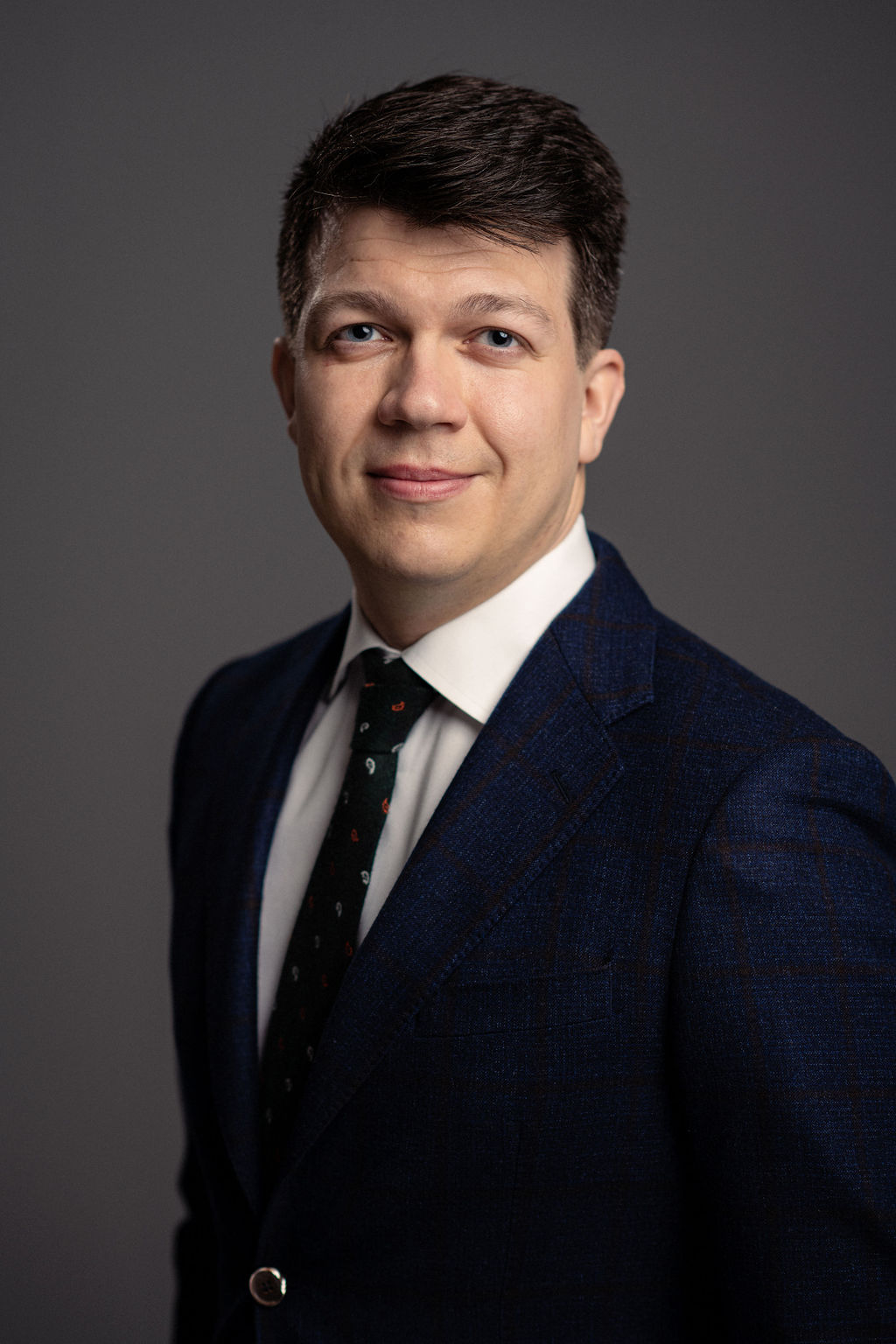
Andreas Bang Leed
Aarhus University · Co-author of How to Measure Anything in Project Management
Since 2019 I have forecast the final cost and duration of major projects from the record of completed ones and quantified the risk that a single-point estimate leaves out. I also helped build an AI system that monitors Hong Kong's public-works portfolio for early signs of cost overrun and delay. The question behind this work is which methods demonstrably improve estimates and outcomes, since several in common use lack evidence that they do. I have done much of the forecasting and risk analysis at Oxford Global Projects, where I am Head of Data Science.
My research at Aarhus University concerns how to choose the right projects and make the best use of public resources, including how to measure and value nature. One strand examines how noise in cost and benefit estimates affects which projects are selected and how the selected projects perform against those estimates. Another strand puts a price on biodiversity, estimating how the ecological quality of nearby nature is reflected in Danish house prices.
I have advised governments, multilateral organisations and consultancies in more than 25 countries on projects ranging from nuclear energy and transport to space exploration and artificial intelligence.
I am co-author of How to Measure Anything in Project Management (Wiley, 2025). I regularly speak at international conferences and teach a master's-level course on cost-benefit analysis in the public sector at Aarhus University. See topics and upcoming talks.
Career
PhD Fellow in Economics
Research in econometrics, project economics and environmental policy. Teaching cost-benefit analysis in the public sector (10 ECTS, MSc).
Head of Data Science
Cost and schedule forecasts, quantitative risk analysis and AI-based early warning for major projects worldwide.
Business Analyst & Consultant
Strategy and analytics consulting for public and private sector clients in Denmark.
Research Assistant
Supporting research on megaproject management and performance at the Saïd Business School.
Research Assistant
Education
PhD in Economics
MSc in Political Science
BSc in Political Science
Other Roles
External Examiner
Expertise
Selected impact
A few examples of where the work has changed decisions.
UK transport appraisal. I authored analysis for the UK Department for Transport that informed appraisal guidance shaping how billions of pounds of public investment are assessed.
Hong Kong early warning. I helped build the Project Supervision System, an AI early-warning system that monitors Hong Kong's public-works portfolio and flags projects drifting towards cost overrun or delay, early enough to act.
Global advisory. I have advised governments, multilateral organisations and consultancies across six continents, on projects from nuclear energy and transport to renewable power, artificial intelligence, and biodiversity.
Select Clients & Partners
A selection of the organisations I have worked with.
 US Department of Energy
 UK Department for Transport
 HM Treasury
 UK Atomic Energy Authority
 UK Nuclear Decommissioning Authority
 National Infrastructure & Service Transformation Authority
 Hong Kong Development Bureau
 Infrastructure Australia
 NZ Infrastructure Commission
 The World Bank
 European Court of Auditors
 Swedish Debt Office
 CERN
CERN National Grid
 Boston Consulting Group
 McKinsey & Co
 KPMG
KPMG Arup
Arup NCC
NCC Implement Consulting Group
What drives my work
The projects I work on are among the largest investments a society ever makes, whether a railway, a hospital, a power station or a motorway. Each one shapes how people live for decades and reshapes the land, water and wildlife around it for far longer. The same investment can pay back many times over or waste vast public sums, and when it goes badly the natural world, which is rarely counted in the accounts, tends to lose the most.
That is what drives me. Big investments and the environment are the same problem, which is how to make large decisions under deep uncertainty where you have to put a number on something instead of guessing at it. The methods are technical but the reasons for caring about them are not. Better evidence means less public money wasted on major projects and more of the living world left standing. That is where my research increasingly points, towards giving biodiversity the weight that these decisions have almost always denied it.
I am always keen to hear from organisations and individuals who want to base their decisions on evidence.